
Autonomic Testing for Cardiology
The Heart Doesn't Work Alone. Neither Should the Cardiovascular Assessment.
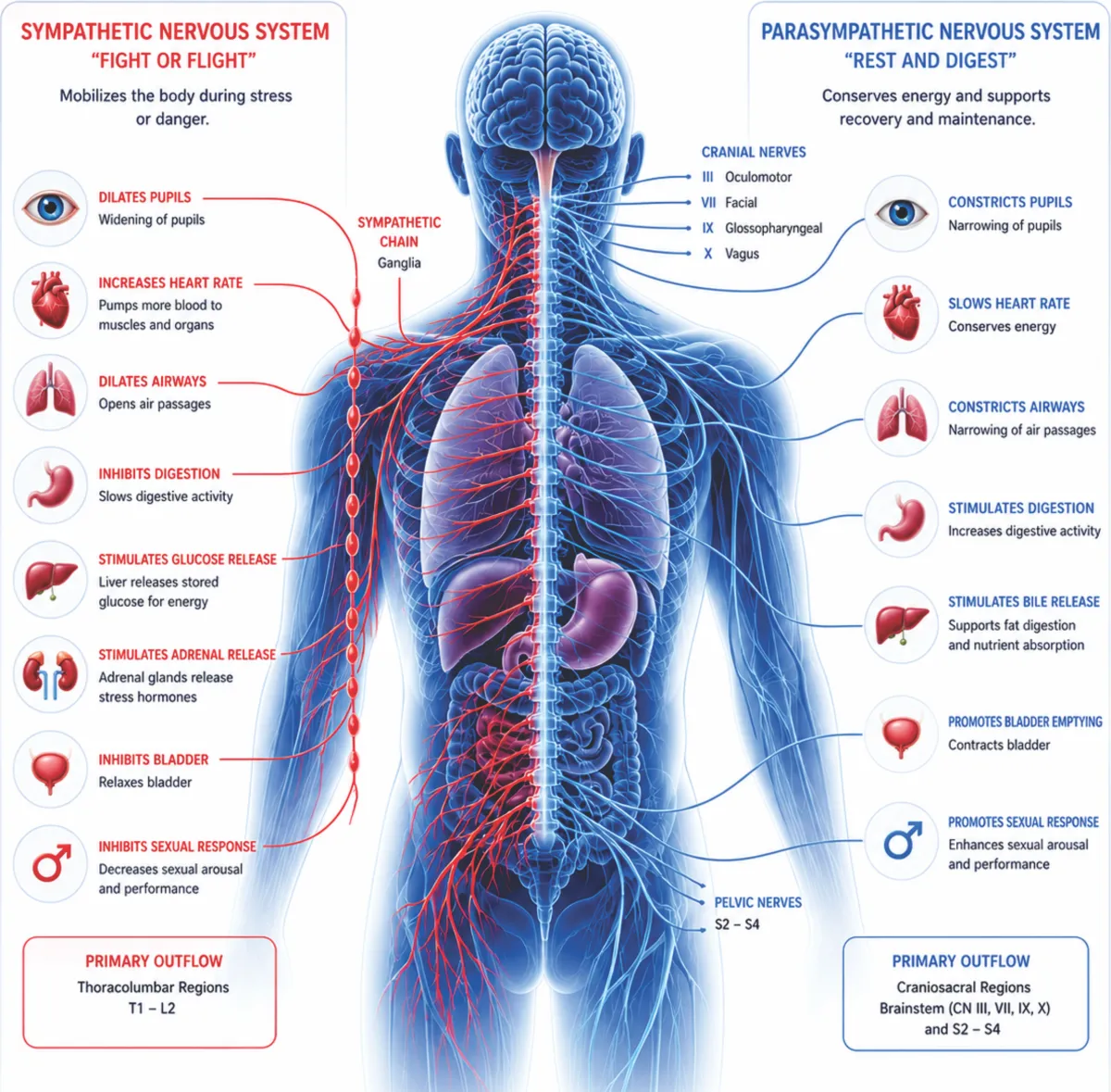
Cardiologists routinely evaluate heart rhythm, cardiac structure and function, blood pressure, vascular health, and exercise capacity. But cardiovascular function is also influenced by the autonomic nervous system—the system that continuously helps regulate heart rate, blood pressure, vascular tone, and the body's response to physiologic stress.
When a patient's symptoms do not fully align with conventional cardiovascular findings, autonomic function may be an important additional consideration.
Physio PS is FDA 510(k) cleared and designed for use by physicians and healthcare providers.
When the Cardiovascular Picture Doesn't Fully Explain the Patient
Some patients continue to experience:
Dizziness or lightheadedness
Syncope or presyncope
Orthostatic symptoms
Palpitations
Unexplained or disproportionate tachycardia
Blood-pressure instability
Exercise intolerance
Fatigue
Symptoms that persist despite an otherwise extensive cardiovascular evaluation
These presentations can have multiple possible causes. Autonomic dysfunction is one potential contributor and should be considered in the context of the patient's history, examination, cardiovascular evaluation, medications, comorbidities, and other diagnostic findings.
When Exercise Intolerance Raises Additional Questions
A cardiologist may encounter patients who report:
Reduced exercise capacity
Disproportionate fatigue with activity
Excessive heart-rate response
Poor heart-rate recovery
Lightheadedness during or after activity
Exercise-associated palpitations
Post-exertional worsening of symptoms
Exercise intolerance despite relatively reassuring conventional cardiac findings
These symptoms have many potential causes and require appropriate clinical evaluation.
Conventional Exercise Evaluation Still Matters
Depending on the patient, evaluation may include:
History and physical examination
ECG
Echocardiography
Exercise stress testing
Cardiopulmonary exercise testing
Rhythm monitoring
Laboratory evaluation
Pulmonary evaluation
Assessment of conditioning and other contributing factors
Autonomic assessment should complement—not replace—these established approaches when they are clinically indicated.

What Physio PS Adds
Physio PS is designed to provide quantitative information about autonomic regulation that can complement the broader cardiovascular assessment.
Parasympathetic Activity
Information related to the autonomic branch involved in recovery, cardiac slowing, and physiologic regulation.
Sympathetic Activity
Information related to the autonomic branch involved in cardiovascular activation and responses to physiologic demand.
Heart Rate & Blood Pressure
Physiologic measurements that provide important context for interpreting autonomic responses.
Autonomic Response
Information about how autonomic activity relates to the patient's physiologic state and measured cardiovascular variables.
A Complement to the Cardiac Workup
Physio PS is not intended to replace standard cardiovascular evaluation.
Instead, it can provide another source of quantitative physiologic information when the clinician is considering whether autonomic regulation may be contributing to the patient's presentation.
Consider Autonomic Assessment When:
Symptoms appear disproportionate to conventional findings
Orthostatic symptoms are prominent
Syncope or presyncope remains unexplained
Tachycardia does not have an obvious explanation
The patient reports significant exercise intolerance
Symptoms persist after an extensive cardiac evaluation
A clinician wants additional quantitative information about autonomic function
Longitudinal autonomic measurements may be clinically useful
The Clinical Question
The question is not whether every cardiology patient needs autonomic testing.
The question is:
When the cardiovascular picture doesn't fully explain the patient, have you considered the autonomic component?
Physio PS gives cardiologists another way to obtain quantitative information about autonomic regulation—approximately 15 minutes, non-invasive, and designed to fit into clinical practice.
© Copyright 2026 Physio PS, Inc.-All rights reserved.