
Autonomic Assessment for Orthostatic Intolerance
When Standing Makes the Patient Feel Worse, Measure the Response.
Orthostatic intolerance describes symptoms that occur or worsen when a person is upright and improve with sitting or lying down.
Physio PS is FDA 510(k) cleared and designed for use by physicians and healthcare providers.
Patients may describe:
Lightheadedness
Dizziness
Weakness
Palpitations
Fatigue
Presyncope
Exercise intolerance
Brain fog
Shortness of breath
A feeling of being unable to tolerate prolonged standing
Orthostatic intolerance is a clinical presentation, not a single diagnosis. The underlying cause may involve blood-volume abnormalities, medication effects, autonomic dysfunction, orthostatic hypotension, POTS, cardiovascular disease, deconditioning, or other conditions.
When Exercise Intolerance Raises Additional Questions
A cardiologist may encounter patients who report:
Reduced exercise capacity
Disproportionate fatigue with activity
Excessive heart-rate response
Poor heart-rate recovery
Lightheadedness during or after activity
Exercise-associated palpitations
Post-exertional worsening of symptoms
Exercise intolerance despite relatively reassuring conventional cardiac findings
These symptoms have many potential causes and require appropriate clinical evaluation.
Conventional Exercise Evaluation Still Matters
Depending on the patient, evaluation may include:
History and physical examination
ECG
Echocardiography
Exercise stress testing
Cardiopulmonary exercise testing
Rhythm monitoring
Laboratory evaluation
Pulmonary evaluation
Assessment of conditioning and other contributing factors
Autonomic assessment should complement—not replace—these established approaches when they are clinically indicated.

What Physio PS Adds
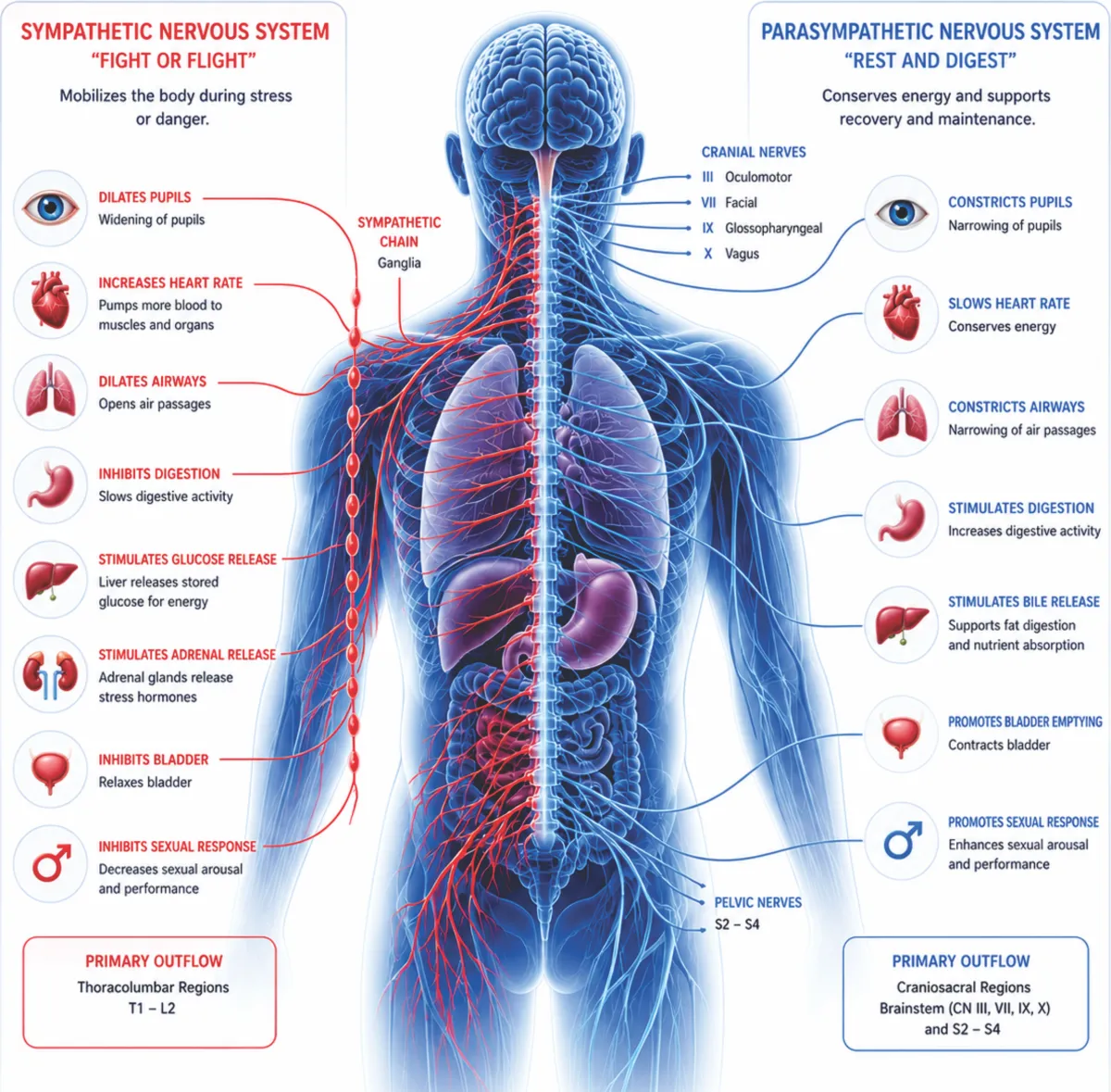
Physio PS is designed to provide quantitative information about autonomic regulation.
According to Physio PS, its approximately 15-minute non-invasive assessment evaluates parasympathetic and sympathetic activity independently and simultaneously using physiologic measurements including ECG, blood pressure, and heart rate.
This provides an additional autonomic perspective alongside conventional orthostatic measurements.
The Clinical Question Becomes:
What is happening to the patient's autonomic regulation when the cardiovascular system is responding to physiologic demand?
Orthostatic Intolerance and Cardiology
Consider autonomic assessment when a patient has:
Recurrent dizziness when standing
Presyncope
Unexplained palpitations
Orthostatic tachycardia
Blood-pressure changes with position
Symptoms that improve when recumbent
Persistent symptoms despite routine cardiac testing
Suspected POTS
Suspected autonomic dysfunction
Don't Confuse Orthostatic Symptoms With a Single Diagnosis
A patient who becomes dizzy after standing does not automatically have POTS.
Similarly, an abnormal heart-rate response does not by itself establish the cause of the patient's symptoms.
The clinical context matters.
Autonomic findings should be interpreted with the patient's symptoms, orthostatic vital signs, medical history, medication profile, ECG, rhythm evaluation, and other appropriate testing.
Add Information Without Replacing the Workup
Physio PS is designed to complement the broader cardiovascular assessment.
It can provide quantitative autonomic information that may help the clinician characterize the patient's physiology and establish a baseline for follow-up when clinically appropriate.
Measure the Response. Understand the Pattern. Then Determine the Next Step.
© Copyright 2026 Physio PS, Inc.-All rights reserved.