
POTS & Autonomic Testing for Cardiology
When Standing Changes the Heart Rate, Look at the Autonomic Response.
Postural orthostatic tachycardia syndrome (POTS) is a form of chronic orthostatic intolerance characterized by symptoms that worsen with upright posture and an excessive increase in heart rate on standing or during upright testing, without the degree of orthostatic hypotension that would explain the presentation.
POTS is heterogeneous. Different physiologic mechanisms can contribute to the syndrome, and patients may present with overlapping symptoms and conditions.
For cardiologists, the challenge is often not simply identifying a rapid heart rate. It is understanding why the heart rate response occurs and how it relates to the patient's overall cardiovascular and autonomic physiology.
Physio PS is FDA 510(k) cleared and designed for use by physicians and healthcare providers.
Common POTS Presentations
Patients may report:
Rapid heart rate after standing
Palpitations
Lightheadedness
Presyncope
Fatigue
Exercise intolerance
Brain fog or difficulty concentrating
Shortness of breath
Symptoms that improve when lying down
Heat or prolonged-standing intolerance
These symptoms are not specific to POTS. Other cardiac, endocrine, hematologic, medication-related, neurologic, and volume-related causes may produce similar presentations.
When Exercise Intolerance Raises Additional Questions
A cardiologist may encounter patients who report:
Reduced exercise capacity
Disproportionate fatigue with activity
Excessive heart-rate response
Poor heart-rate recovery
Lightheadedness during or after activity
Exercise-associated palpitations
Post-exertional worsening of symptoms
Exercise intolerance despite relatively reassuring conventional cardiac findings
These symptoms have many potential causes and require appropriate clinical evaluation.
Conventional Exercise Evaluation Still Matters
Depending on the patient, evaluation may include:
History and physical examination
ECG
Echocardiography
Exercise stress testing
Cardiopulmonary exercise testing
Rhythm monitoring
Laboratory evaluation
Pulmonary evaluation
Assessment of conditioning and other contributing factors
Autonomic assessment should complement—not replace—these established approaches when they are clinically indicated.

A More Complete Clinical Question
Instead of asking only:
“Why is this patient's heart rate increasing?”
the clinician can also consider:
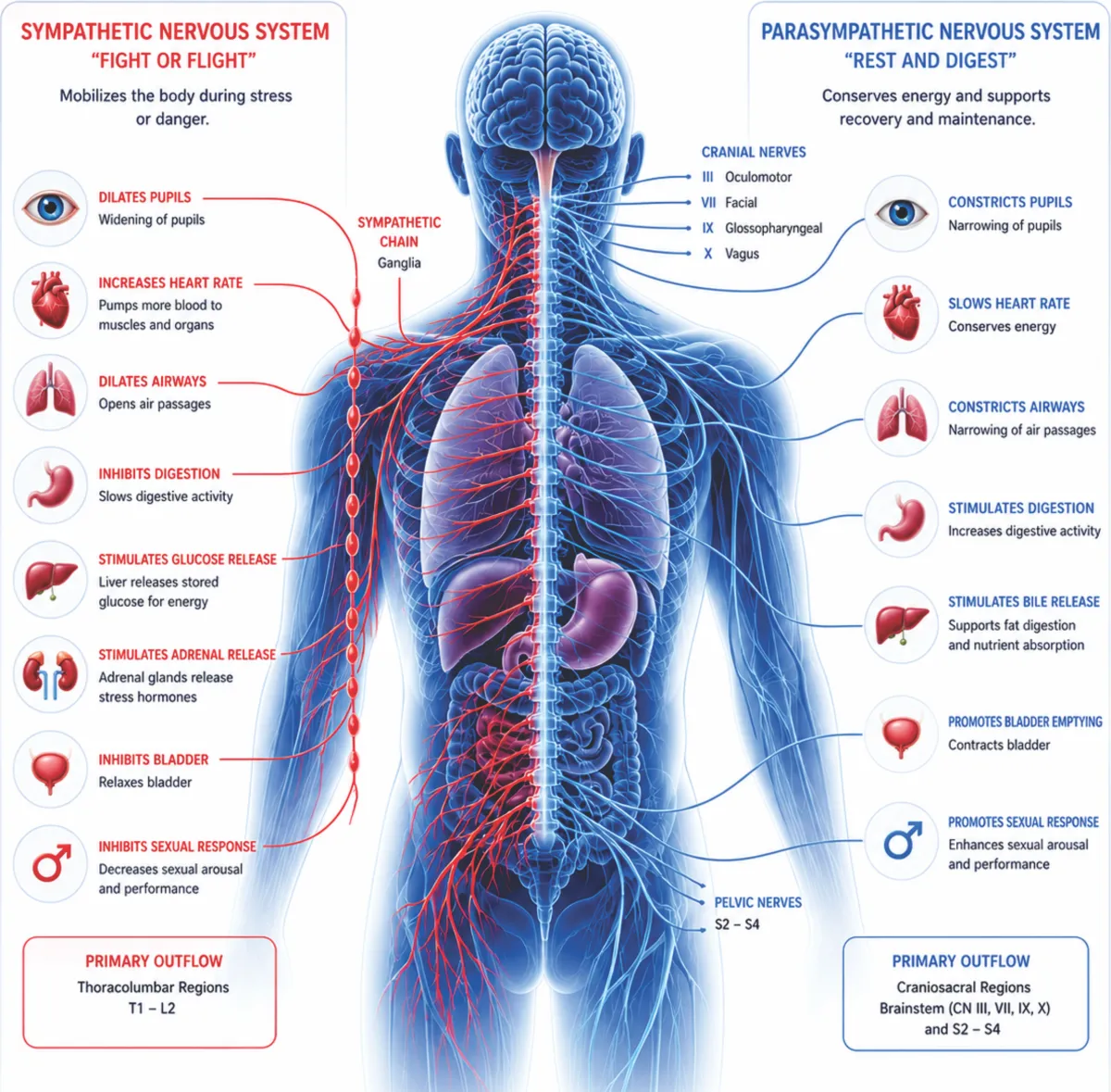
“What is happening with autonomic regulation when this patient's cardiovascular system is challenged?”
That distinction can be particularly useful in complex patients whose symptoms persist despite an otherwise appropriate cardiac evaluation.
POTS Is Not the Only Possibility
POTS can overlap clinically with other causes of orthostatic symptoms and tachycardia.
The differential diagnosis may include:
Volume depletion
Medication effects
Orthostatic hypotension
Inappropriate sinus tachycardia
Anemia
Thyroid disease
Arrhythmias
Structural heart disease
Deconditioning
Other autonomic disorders
A comprehensive clinical evaluation remains essential.
Physio PS Can Add Another Dimension of Information.
© Copyright 2026 Physio PS, Inc.-All rights reserved.